South Korea has selected 43 regions for a new education reform initiative to improve small schools, narrow educational disparities and strengthen cooperation between schools, universities and local industries, the Education Ministry announced Tuesday.
The selected regions will receive government funding, administrative support and special regulatory exemptions for up to five years starting in 2027, as authorities seek to improve educational opportunities in communities with declining student populations.
According to the ministry, 130 of 141 eligible regions applied for the Education Innovation Leading Regions initiative. Forty-three were selected after evaluating their proposed education reform plans, cooperation frameworks and budget management strategies.
The initiative builds on the Education Development Special Zones pilot program launched in 2024, introducing specific reform requirements depending on the demographic and educational challenges facing each region.
Of the 43 selected regions, 32 are areas experiencing or at risk of population decline. These regions will focus on reforming small schools through measures such as school consolidation, shared curricula and cooperation with local communities.
The remaining 11 regions, including Busan and Daegu, will focus on reducing educational disparities and strengthening links between education, universities and regional industries.
Selected cities and counties will be eligible for up to 2 billion won ($1.5 million) annually, while metropolitan-level governments may receive up to 4 billion won per year.
Funding will initially be provided for three years, with an additional two years available following a performance evaluation.
Among the selected regions, Geumsan in South Chungcheong Province plans to consolidate small elementary schools and repurpose closed school sites into educational facilities. The county also plans to introduce shared curricula across elementary, middle and high schools.
Eumseong in North Chungcheong Province plans to introduce shared curricula between schools and provide tailored education and settlement support for students from migrant backgrounds and their families.
The ministry said the initiative aims to address mounting challenges facing regional schools as the country's declining birthrate reduces student enrollment and threatens the sustainability of educational institutions in smaller communities.
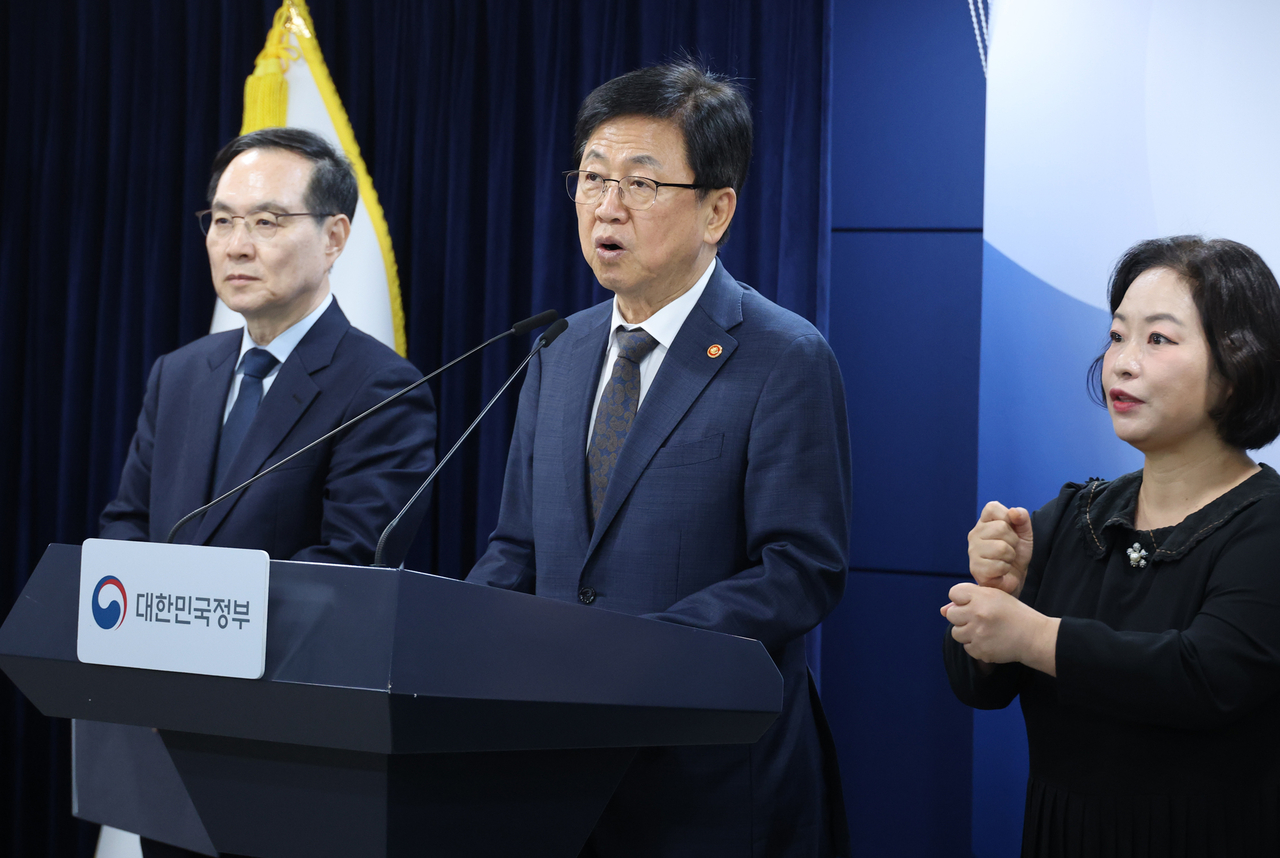
Education Minister Choi Kyo-jin said the government would shift its approach toward building comprehensive local education systems that provide quality education from elementary through high school.
"We will closely link region-specific educational innovation models with universities' talent development policies to establish a virtuous cycle in which children born and raised in their communities develop their abilities at local universities and contribute to regional development," Choi said.
The ministry plans to finalize selections later this month following appeals, with participating regions expected to submit detailed implementation plans by December before launching their programs in January 2027.
seungku99@heraldcorp.com